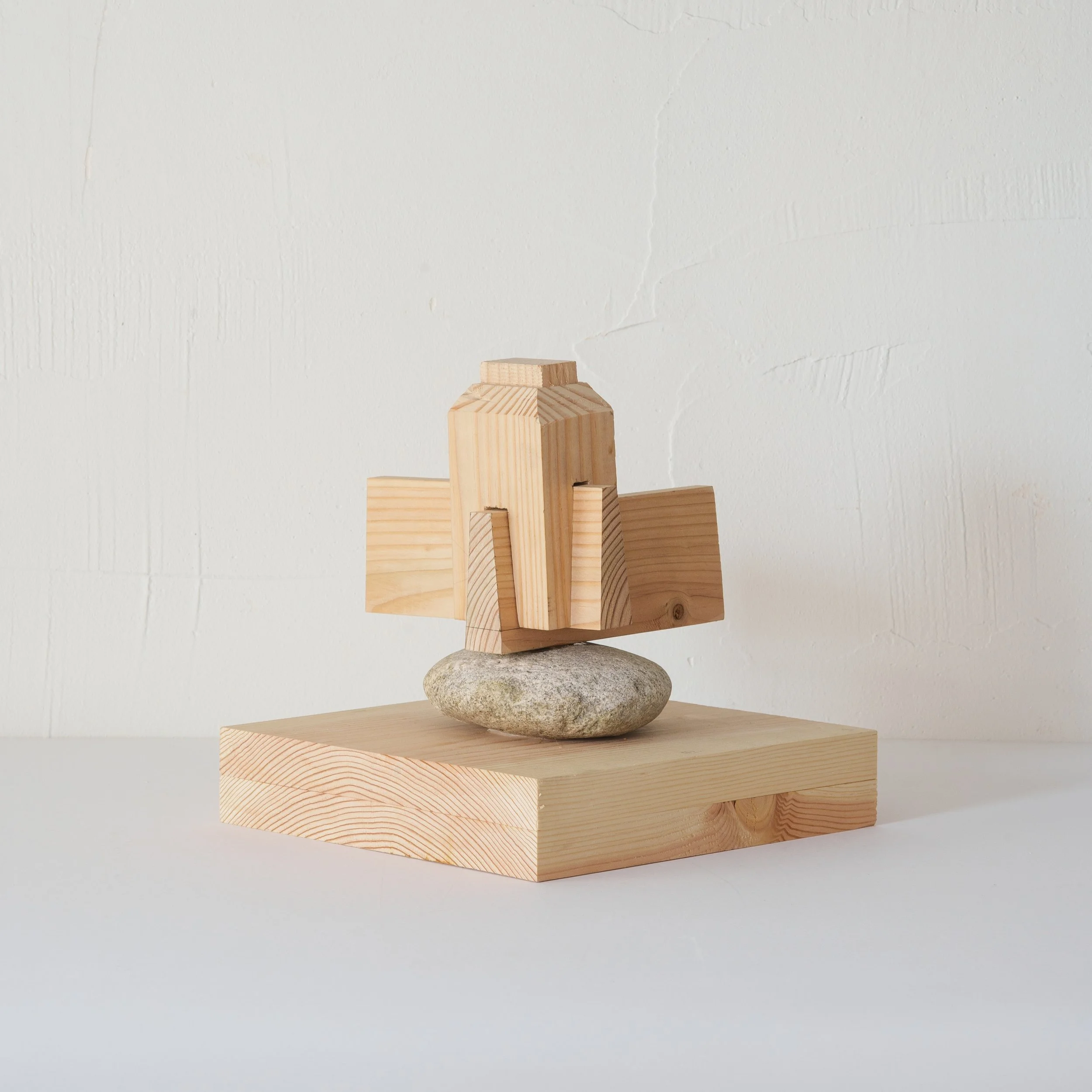
What Buildings Say
Prix de Rome Research
Visiting Scholar Exhibition | Montana State University
2026
What Buildings Say documents nine overlooked ideas found in old timber buildings in Switzerland, Norway, and Montana. Each model isolates a detail that seemed ordinary at first but grew harder to ignore the longer we looked: a wood dowel instead of a nail, a tiny roof protecting the end of a timber, a steep stair with an oddly comfortable rise and run, or a log corner joint that requires surprisingly little skill to build.
None of these ideas changed architecture overnight. They endured because they solved problems simply and well. Over generations, they became part of a quiet body of knowledge, refined through use rather than invention. By pulling these details out of their buildings and presenting them at a similar scale, the models invite a closer look—and a simple question: if these buildings still have something to teach us after hundreds of years, what have we stopped noticing?
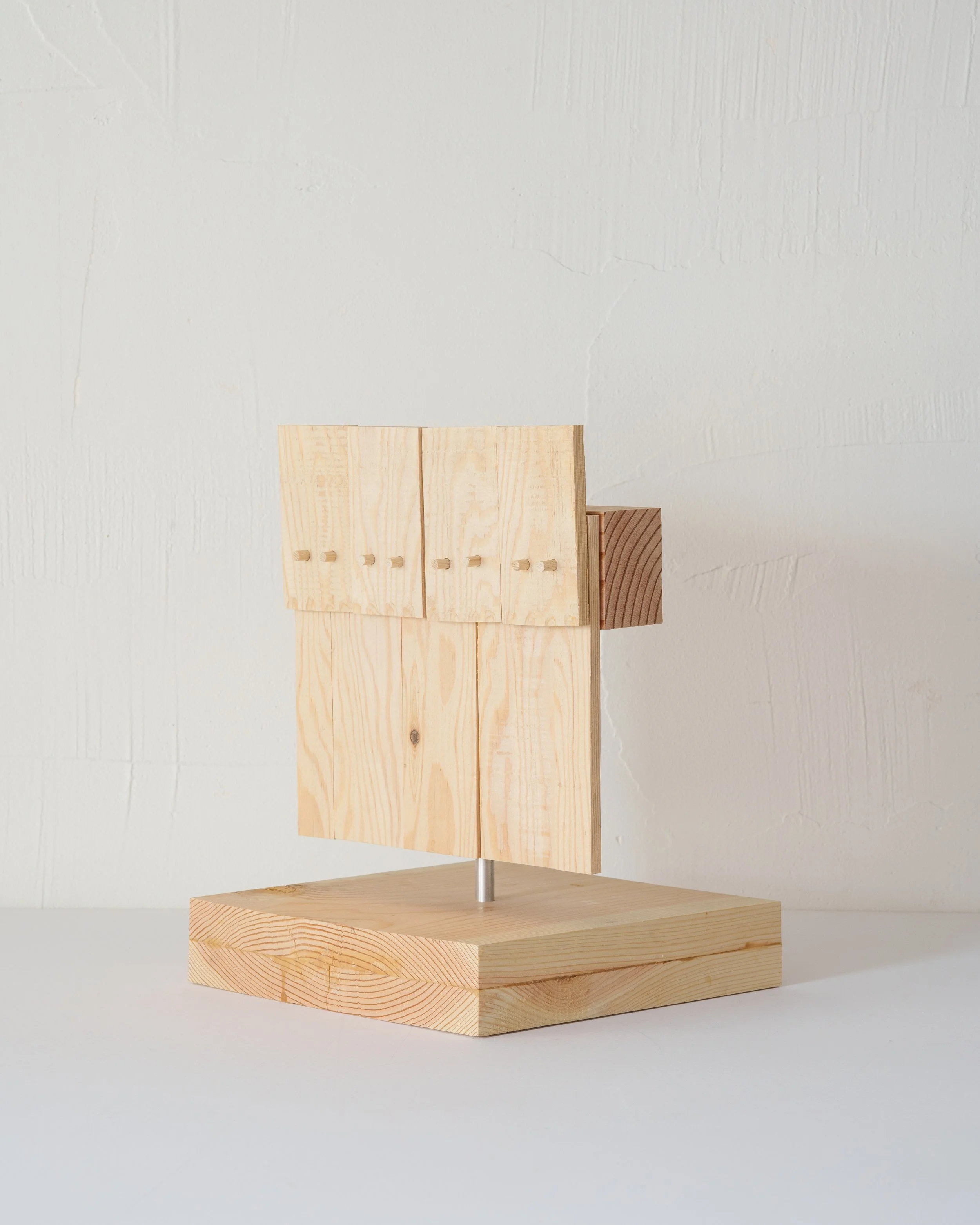
01 / Dowels, Not Nails
Wila, Zürich
Switzerland
1680
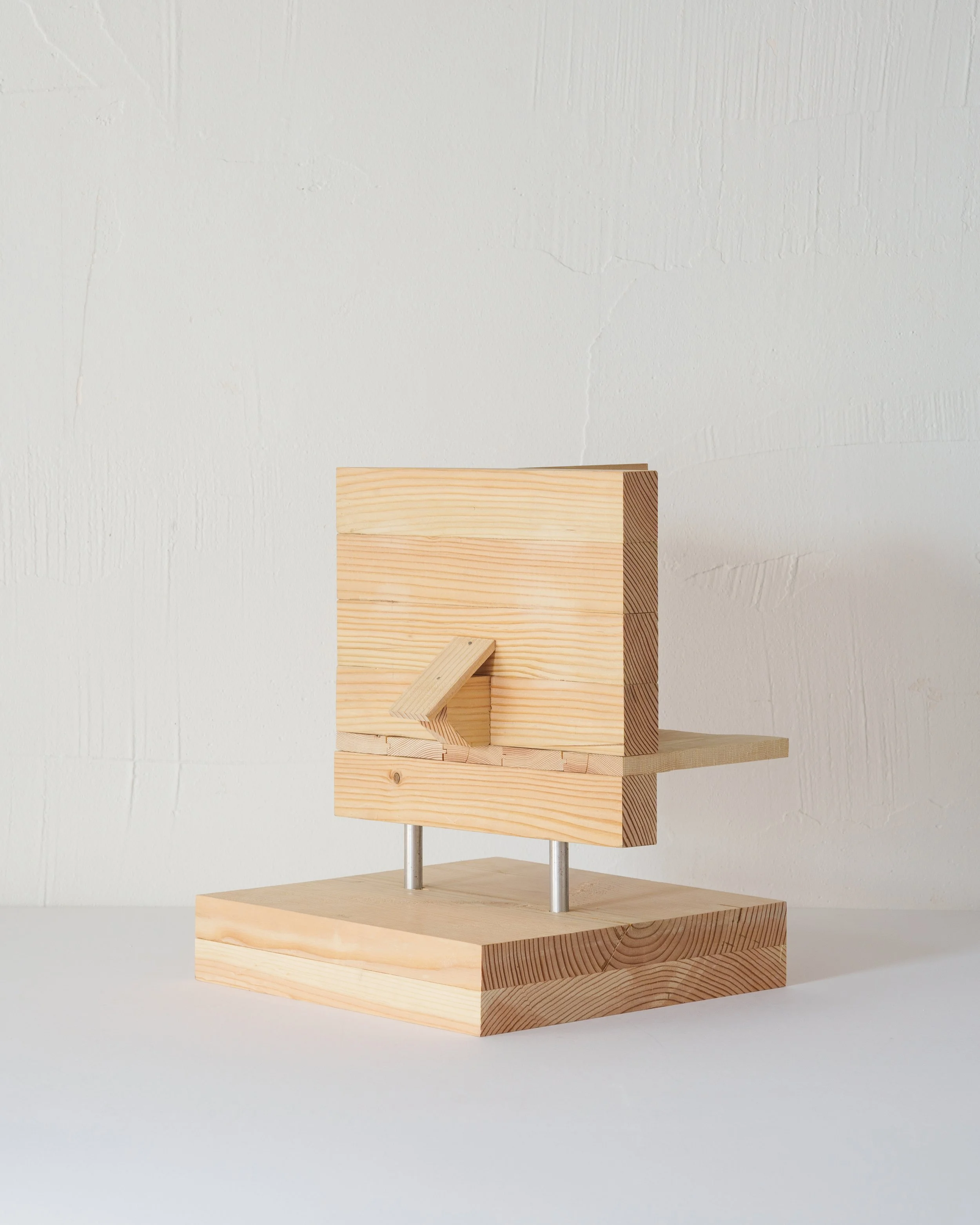
02 / Tiny Roofs
Schwyz, Schwyz
Switzerland
1336
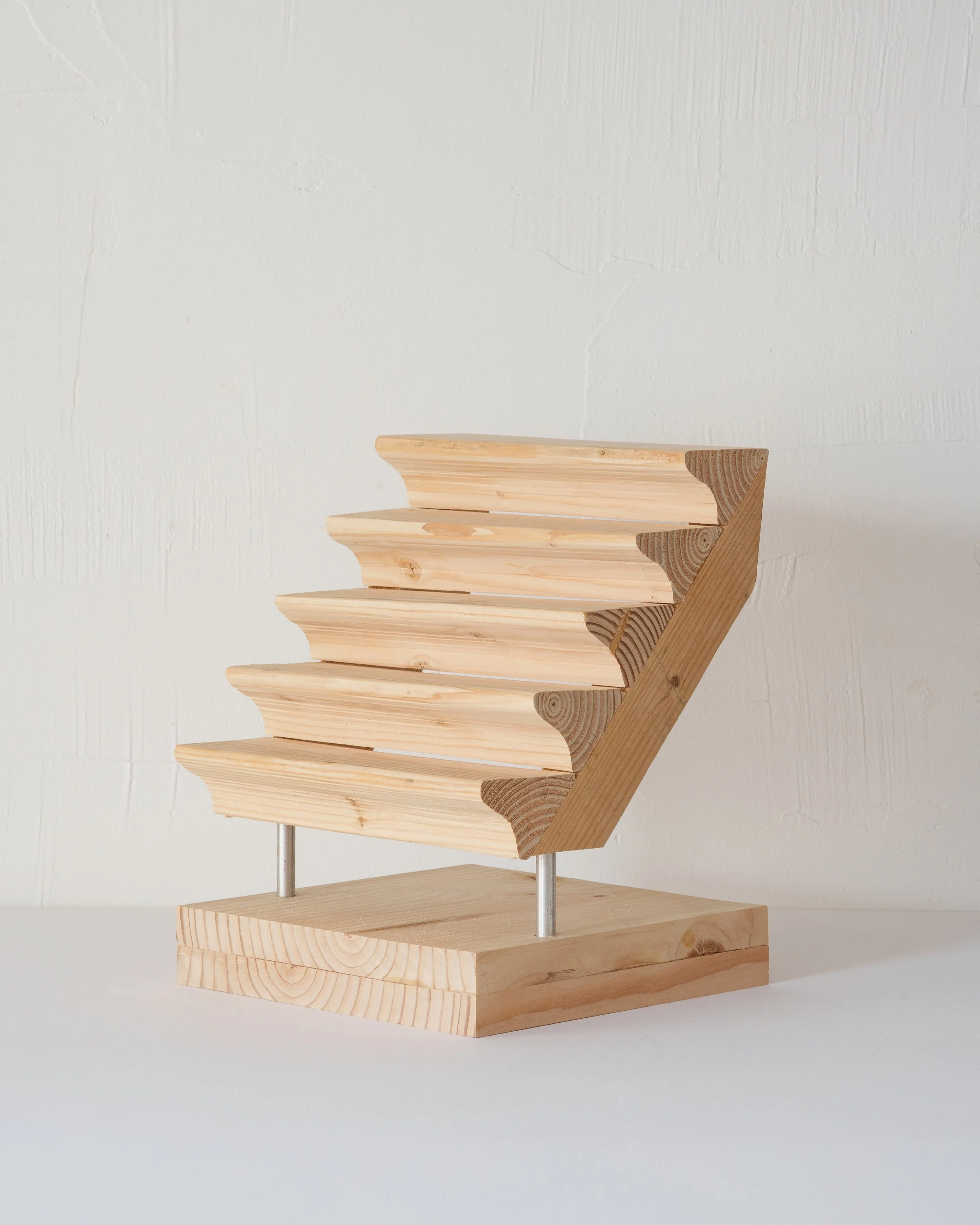
03 / Wooden Stairs
Richterswil, Zürich
Switzerland
1780
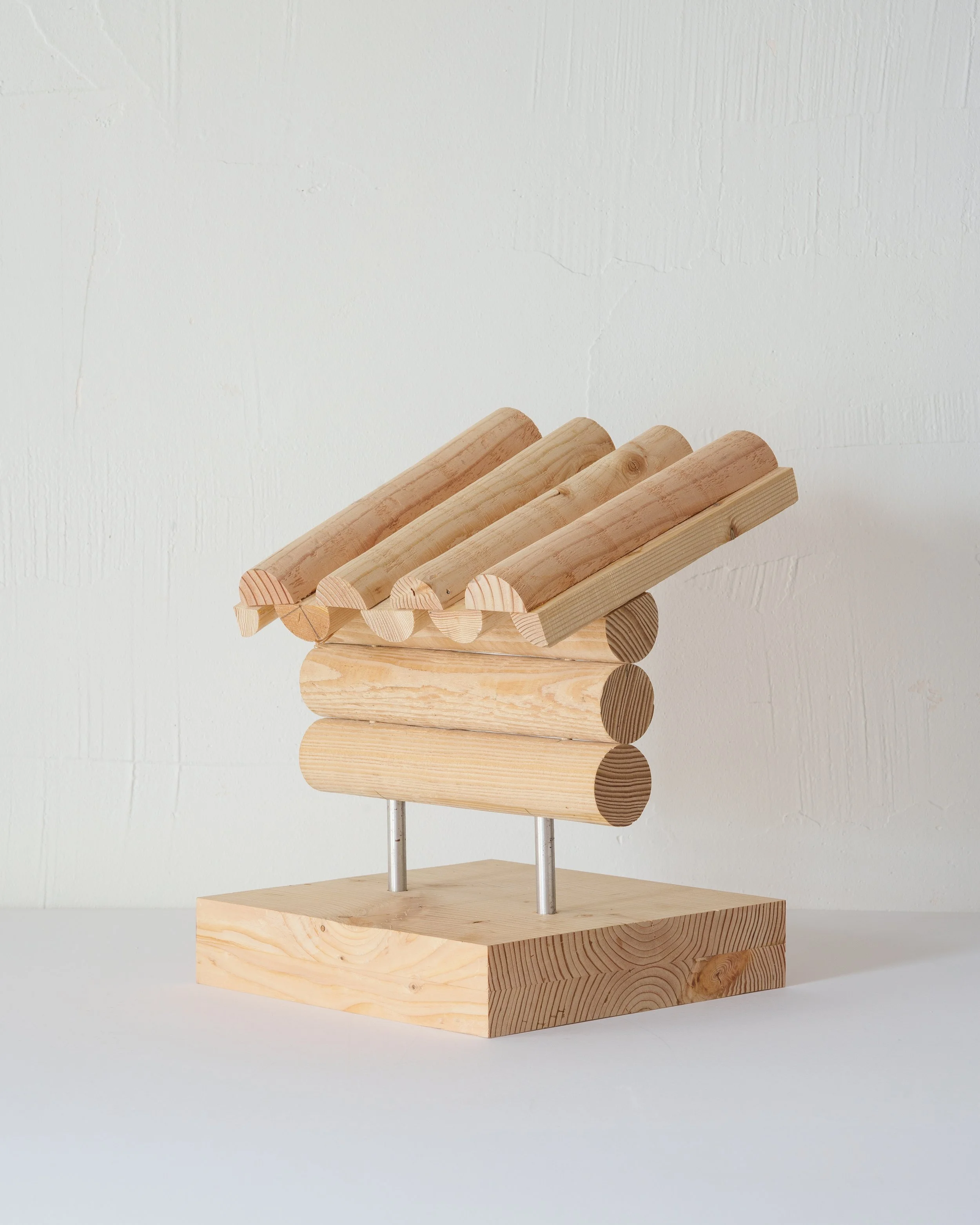
04 / Half-Round Roofing
Kilde, Åmot, Østerdalen
Norway
1800 - 1900
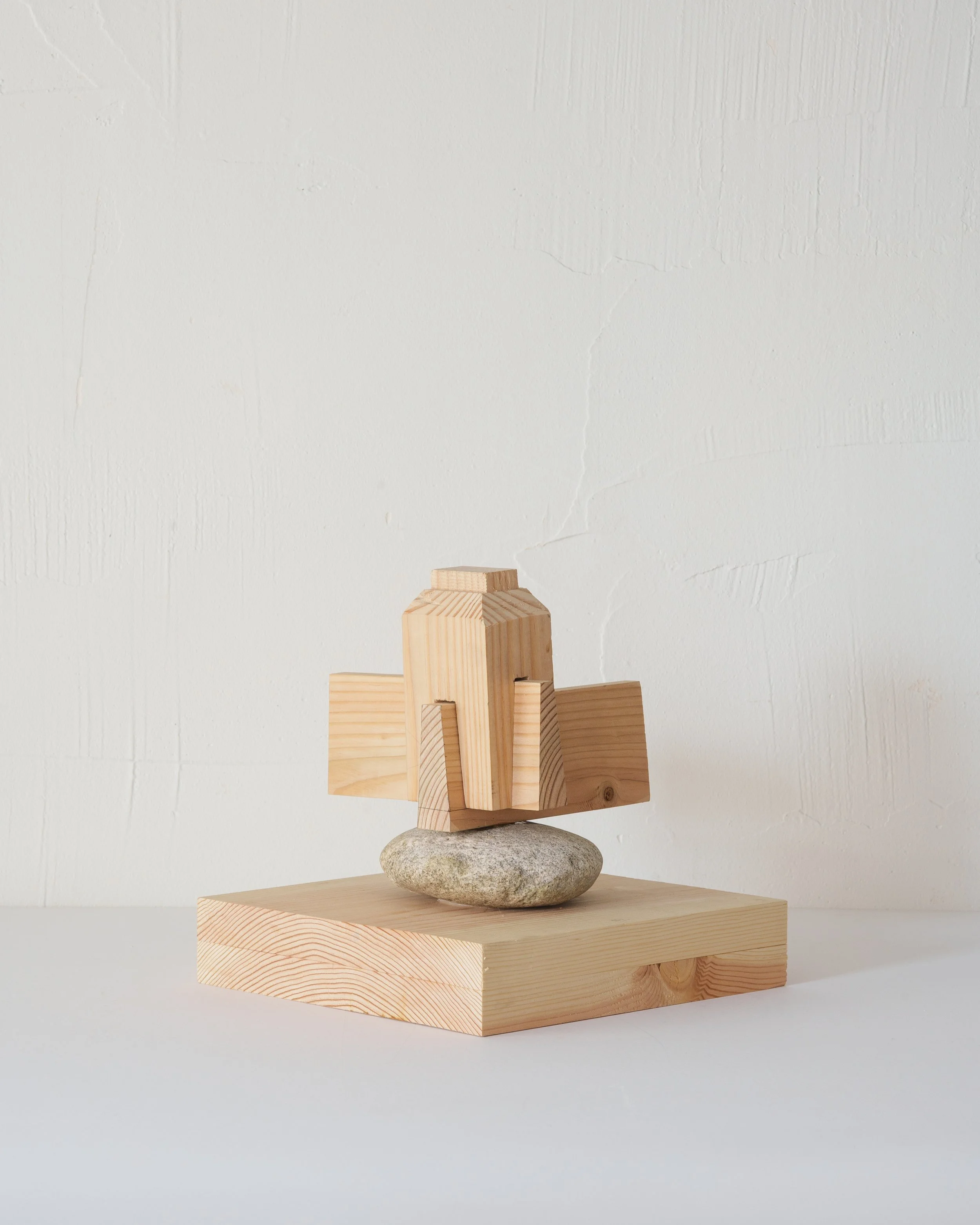
05 / Loft Post
Telemark County
Norway
1300-1800
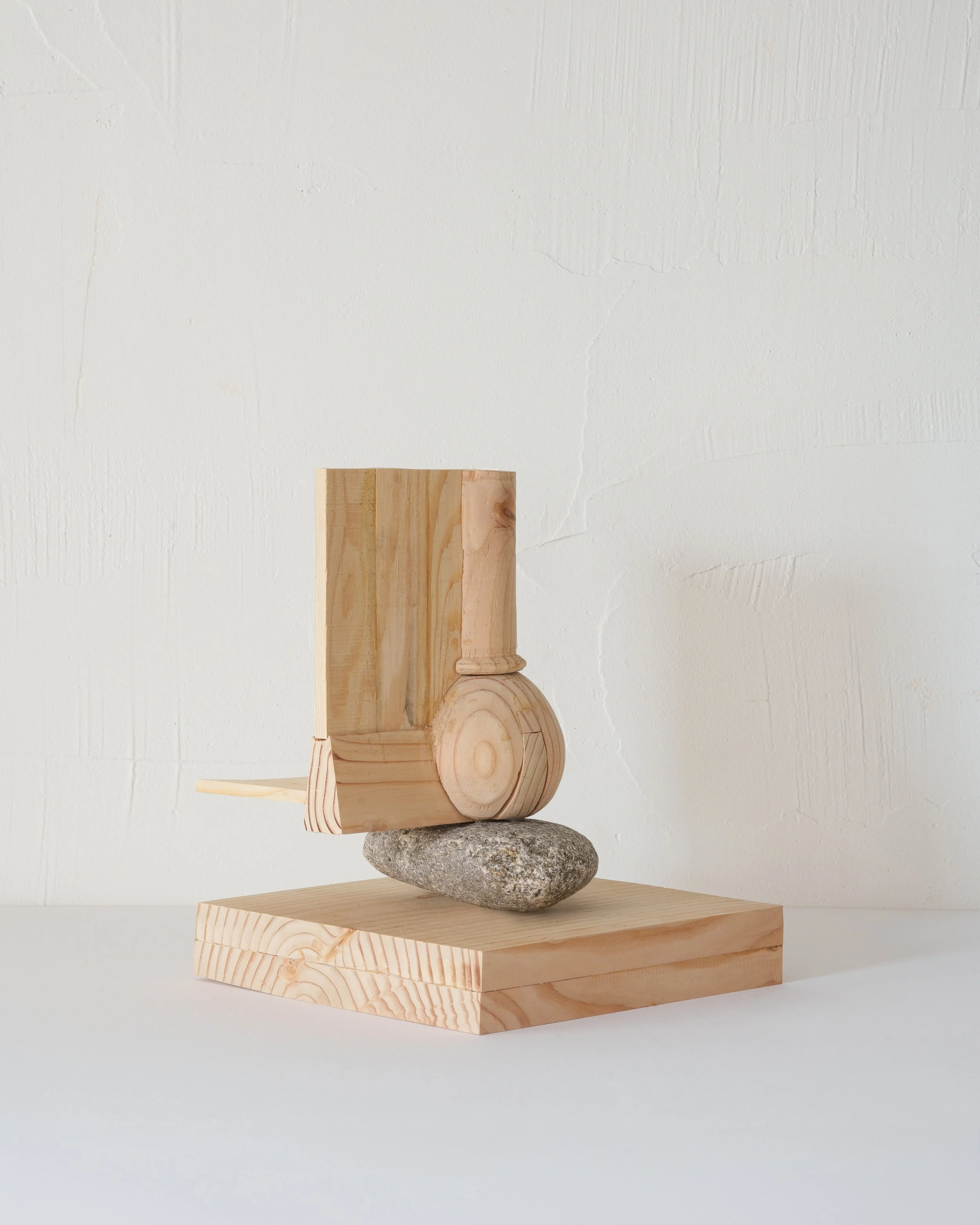
06 / Stave Post
Holtålen Municipality, Trøndelag County
Norway
1170

07 / Square-Set Timbering
High Ore Mine, Butte, Montana
United States of America
1880 - 1900
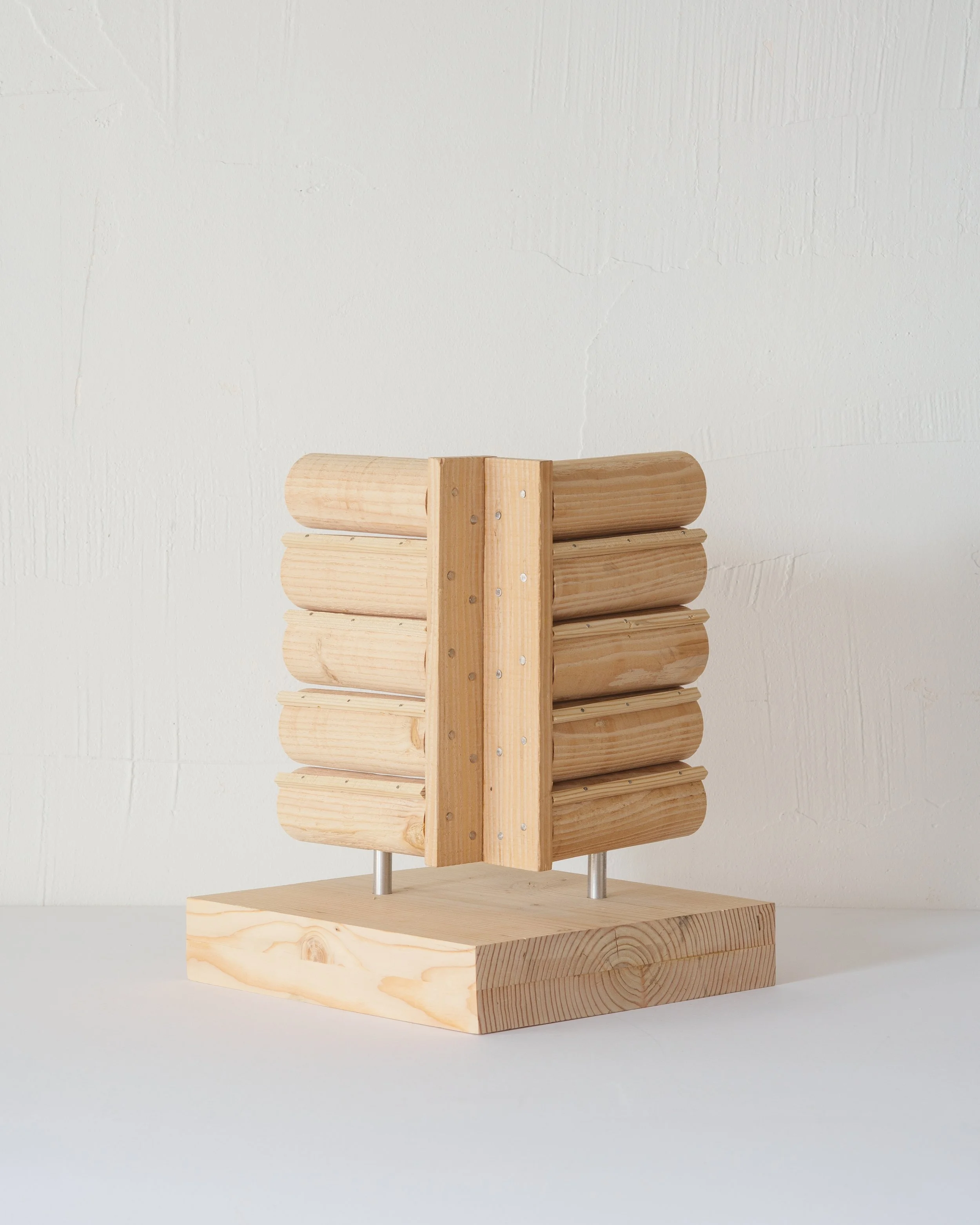
08 / Hog Trough Corner
Virginia City, Montana
United States of America
1882
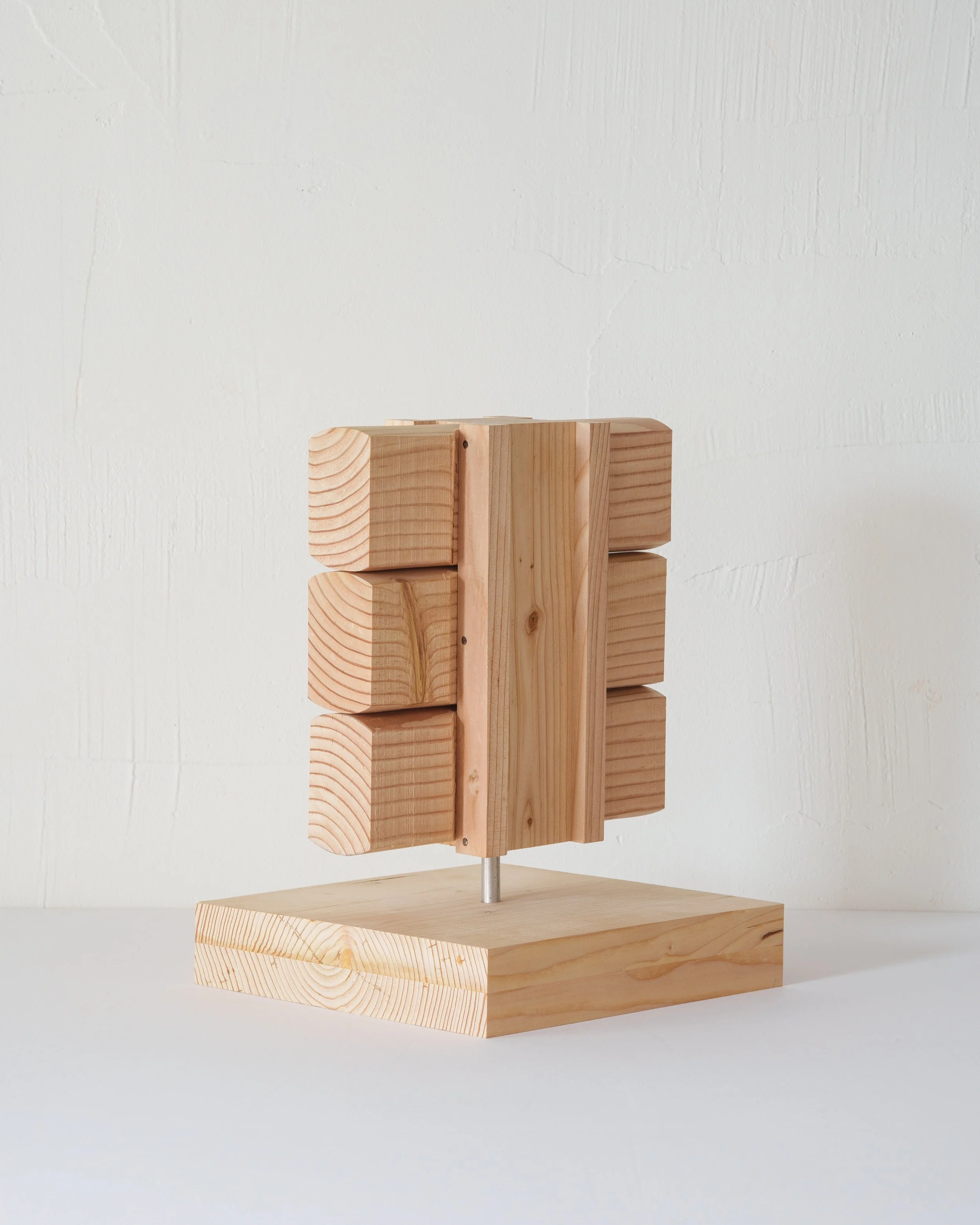
09 / Cleated Post
Bannack, Montana
United States of America
1862
Models: Logan Bohler / Pierce Morley
Photos: Shane Hauser